12 Oct 2026
Macau Gaming Crime Totals Reach 1,951 Cases Through September 2026

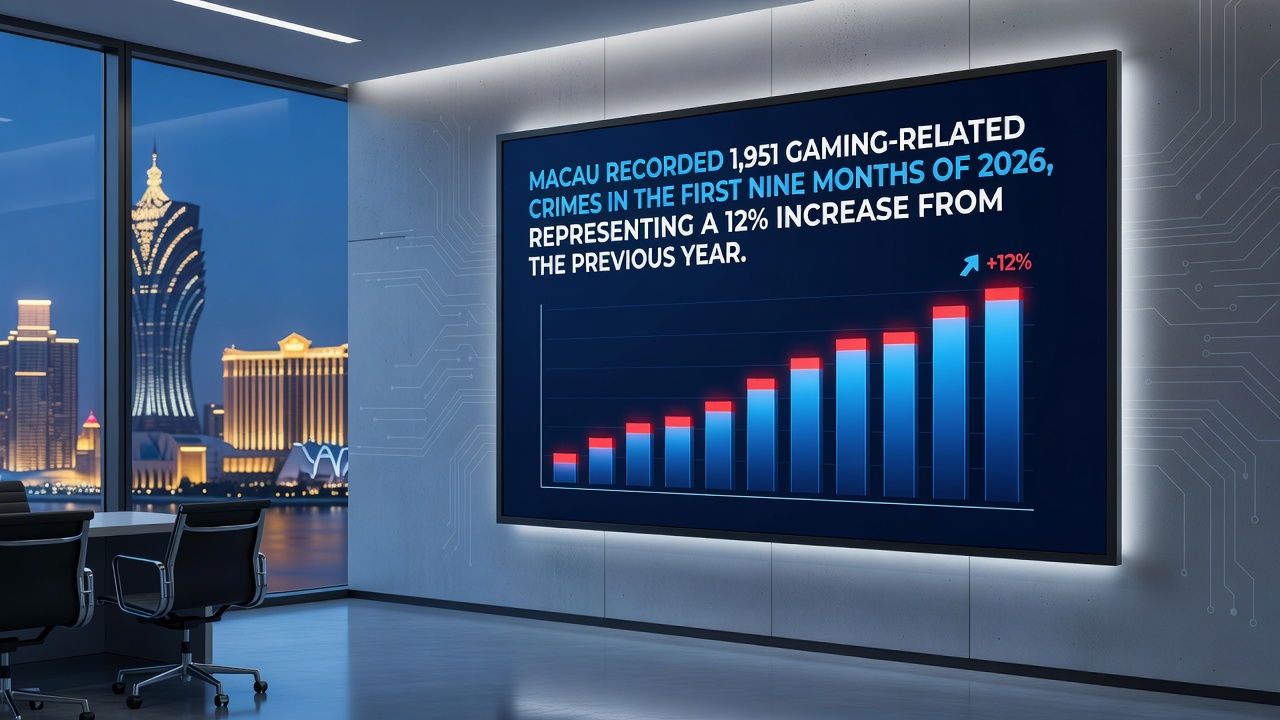
Macau recorded 1,951 gaming-related crimes during the first nine months of 2026, which marks a 12.3 percent increase over the 1,737 cases documented in the same stretch of the previous year, according to recent industry reporting on casino and gambling developments. Those numbers come from official tallies that cover offenses tied directly to casino operations, betting activities, and associated venues across the region. Observers note the figures reflect a steady upward movement that began after the post-pandemic recovery period and continued into 2026.
Breaking Down the Reported Increase
Data shows the additional 214 cases emerged across multiple categories that include fraud, theft, money laundering attempts, and disputes involving gamblers or staff, although the aggregate total remains the primary headline. The 12.3 percent rise appears consistent with broader patterns that industry analysts have tracked in other major gambling jurisdictions, yet the Macau-specific count stands out because of the territory's concentrated casino density. Researchers who monitor these statistics point out that the nine-month window ending in September 2026 captures activity during peak tourist seasons, which typically coincide with higher visitor volumes and therefore greater opportunities for incidents to occur.
Figures reveal that authorities processed the cases through established regulatory channels that coordinate between the gaming inspection and coordination bureau and local law enforcement units. Each case underwent standard classification procedures before inclusion in the final tally, which ensures the 1,951 total aligns with prior reporting methodologies and allows direct year-over-year comparison. Those who've studied the data note that the percentage increase translates into roughly 24 additional cases per month on average when spread across the nine-month span.
Timing and Release of the Statistics
The statistics surfaced in industry updates circulated during October 2026, shortly after the close of the third quarter. This timing allowed regulators and operators to review the numbers while the year still had three months remaining, creating space for any mid-year adjustments to security protocols or surveillance systems. The reporting source, which aggregates data from official Macau government releases, presented the 1,951 figure alongside the prior-year benchmark of 1,737 without additional commentary on causation. Gaming-related crime statistics (first nine months of 2026) therefore serve as a factual benchmark rather than an interpretive document.
Patterns Within the Broader Industry Context
Experts have observed that gaming-related crimes in Macau often cluster around high-traffic periods such as holiday weekends and major sporting events that draw international visitors. The 2026 data set continues this established rhythm, with the 12.3 percent jump occurring against a backdrop of recovering visitor arrivals that approached pre-2020 levels. Studies found similar proportional increases in other metrics tracked by the same regulatory bodies, including patron complaints and minor operational infractions, which suggests the crime figure forms part of a larger monitoring framework rather than an isolated spike.
Those responsible for compiling the numbers employ consistent definitions that separate gaming-related offenses from general criminal activity elsewhere in the territory. This methodological consistency enables direct comparison between 2025 and 2026 without adjustment for changing legal standards or reclassification of offenses. Data indicates the 1,951 cases represent a fraction of total visitor interactions across Macau's integrated resorts, yet the absolute count still warrants attention from both operators and oversight agencies.
Monitoring and Response Mechanisms
Regulatory bodies maintain ongoing surveillance programs that include real-time monitoring of table games, electronic gaming areas, and cash-handling zones. The increase from 1,737 to 1,951 cases prompted no immediate public announcements of new policy measures, which aligns with standard practice of evaluating full-year data before implementing structural changes. Observers note that operators already deploy advanced facial recognition, transaction tracking, and staff training programs designed to reduce opportunities for gaming-related misconduct. The 12.3 percent rise therefore serves as one data point among many that these systems generate throughout the calendar year.
People who review these statistics regularly emphasize that raw case counts must be viewed alongside visitor volume and overall gaming revenue to produce meaningful trend analysis. The 2026 nine-month period coincided with continued expansion of non-gaming amenities at several properties, which in turn increased the number of individuals present in casino complexes at any given time. Such contextual factors help explain why absolute numbers can rise even when per-visitor incident rates remain relatively stable.
Conclusion
The 1,951 gaming-related crimes recorded in Macau through September 2026 represent a measurable 12.3 percent increase over the corresponding period in 2025, when authorities logged 1,737 cases. Industry reporting released in October 2026 presented these figures as part of routine quarterly updates without assigning specific drivers to the change. The data continues to feed into established oversight processes that combine law enforcement records with regulatory monitoring of casino operations. As the final quarter of 2026 progresses, additional statistics will become available to complete the annual picture and allow further comparison against historical benchmarks.